…for local, county, and state budgets.
by Scott Liddicoat

Budget time is here. Annual budgets for the City of Green Bay and Brown County will be endorsed this fall. State representatives will gather in Madison after the fall elections. Their first order of business in the new year? Put together the biennial (2025-2027) state budget.
Here are some previous budget results to consider: City of Green Bay spending is up 20%1 in the last four years.

In the same time, Brown County expenditures swelled 37%2. The state budget increased 10.5%3 in the last biennium.
Final approvals for city and county budgets are a few months off. The state budget will be finalized sometime next summer. But…it will all be over in a blink. And then we’ll live with the results. So the time to pay attention and to influence budgets is now.
Here are some important budget questions and comments to consider:
1. Are the politicians who develop budgets financial specialists? The answer is they may be. But just as likely they may not be. Specialist or no, they probably have much different priorities than yours.

For example, I live in Green Bay. There are many roads in the city that need extensive repair or replacement. I don’t know one adult in the city who would dispute this. Yet road repairs drag. We’re far, far behind on road replacement, and current replacement rates place us further behind with each passing year. Plainly, if your government and what it does with your money matters to you, then political priorities matter to you.
2. Can governments make well-chosen budget cuts? Nearly all households and businesses have had to make budget cuts in recent years. Are politicians and administrators capable of what ordinary citizens and businesses regularly do? Many people simply allow that government is different and cannot be brought to work like a household or a business.

But of course, government administrators can make budget cuts, become more efficient, discard the inefficient, innovate, and find ways to save money. Either that, or we must concede from the jump that people in government are not as capable as those who live and work in the private sector. I don’t accept that. Do you? Cutting—or expanding—a budget requires establishing well-chosen priorities. So once again, if your government and what it does with your money matters to you, then political priorities matter to you.
3. Will taxes increase as the last of the covid “relief” entitlements are spent this year? This will be the elephant in the room no one wants to talk about in many places. If monies were used for legitimate covid “relief” needs that have come and gone, then taxes and budgets should be unaffected.
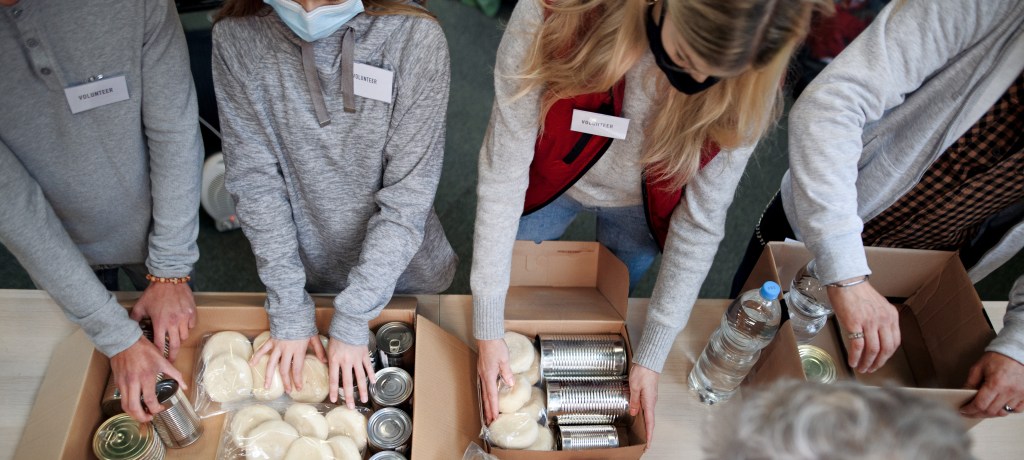
But if covid money was used to start new programs or fund projects that require continued support, we may hear that taxes must be increased. Are continuing covid programs or projects also continuing legitimate priorities? We see here once again, if your government and what it does with your money matters to you, then political priorities matter to you.
Budgets and taxes can be a dull, off-putting subject. To the media, they aren’t sexy, or trendy, and they don’t bleed. But taxes take substantial amounts of cash from you and shrink the free choices you can make with your money. And if you happen to be poor, unemployed, or living on a fixed income? Increased taxes can push you further into a challenging or oppressive lifestyle. Or poverty.

Budgets and taxes plainly have consequences. And as you’ve read here, taxes follow budget priorities.
Now is our time to play the part demanded of us as citizens in our representative republic.
Call, email, or meet with each of the government officials you personally influence with your vote.

Consider attending a finance committee meeting where the upcoming budget will be discussed. Then politely but firmly, make your priorities clear. Challenge political priorities that don’t measure up.
It’s GO time!

GO Time notes:
1. greenbaywi.gov: $110m (2020), $132.5m (2024)
2. browncountywi.gov: $239.5m (2020), $328.5m (2024)
3. wisconsin.gov: $89.2b (2021-23), $98.6b (2023-25)
 SaltwaterTea