There is a way out…without drama, posturing, or confusion

Scott Liddicoat, BCTA
This year Wisconsin politicians will use billions in surplus cash to frame a budget for the next biennium. It’s not hard to do a budget when you’re swimming in other people’s money. You can be certain they’ll use some of that surplus to style politically advantageous “once in a generation investments” in Wisconsin. After that, and amid much political fanfare, they may refund a drop or two of the surplus that we produced to us.
Federal politicians are simply out of control. Raising debt ceilings. Inflation Reduction Acts that increase inflation. Using their own statistics, they’ll overspend what they collect in taxes by $1.5 trillion ($1,500,000,000,000) this year. They’ve overspent tax collections (deficit spending) 58 out of the last 60 years.
For these reasons, I don’t think politicians really know how to balance a budget, or for that matter, how to set up a budget in the first place. So I’m here to recommend a method for balancing a budget that’s much more important than theirs, our family budget. This approach works perfectly every year. It’ll work for politicians, too. Even those with RSS—Reckless Spending Syndrome.
Around Thanksgiving each year I begin thinking about our financials and cataloging important figures. What’s our income going to be? How much will our expenses increase? What about charitable giving? How much will we invest each month, and in what? Are there any major projects that should be done, or that we want badly enough to be done? Politicians please note. This is called planning.

After Christmas, there are always a few days of quiet, just before the new year starts. During that time I work further with our plans. We never go through the year just paying bills as we go. That would be stupid. We take our plans and fit what we’re going to do (and what we’ve decided we won’t do) within a yearly, and then monthly budgets. This way we always have money to pay for our needs, wants, projects, investments, charities, and so on. Before the new year begins, our budgeting for the year is always done. And the budget always balances. And our income always covers our outgo.
Because we balance our budget, several things are demanded of us.
First, we work to keep expenses down. Of course, this means finding ways to get things done effectively at a lower cost or done more efficiently.
Second (but more critical) we rank our spending by importance. Naturally, we budget food before cell phones. But where does vacation fit into our plans? Is it more important than finishing the basement renovation? This process forces us to place a value on each and every kind of expenditure in our budget. Rather than discouraging, it’s a liberating experience!

As a consequence, we can be assured all of the truly important things will be cared for within our budget. In a similar fashion, we easily uncover the items that are clearly not important, or not important enough for us to make a part of our budget plan. Things of lesser importance that fall beyond our ability to pay for drop out of the budget. Reconciling our spending by owning up to the limits of our income is an exceptionally healthy exercise in determining what is truly valuable. Budget limits enable us to determine genuine worth.
Also, as a consequence of this process, we never take on needless debt. On principle we spend our money and not other people’s money or money we don’t have.
Finally, this process provides us with comfort and satisfaction. We know our financial capital will be directed to the most effective use of resources available. This by the way, is almost the textbook definition of “economics.”
As the year unfolds, we know some bills won’t come due every month. For instance, the auto insurance bill comes in August, and it’s a pretty big one. To handle it, we set aside what we need to pay it, month to month, until August arrives. This way there’s always money to pay every bill, and there’s never any panic. It’s called managing money through an accrual system.
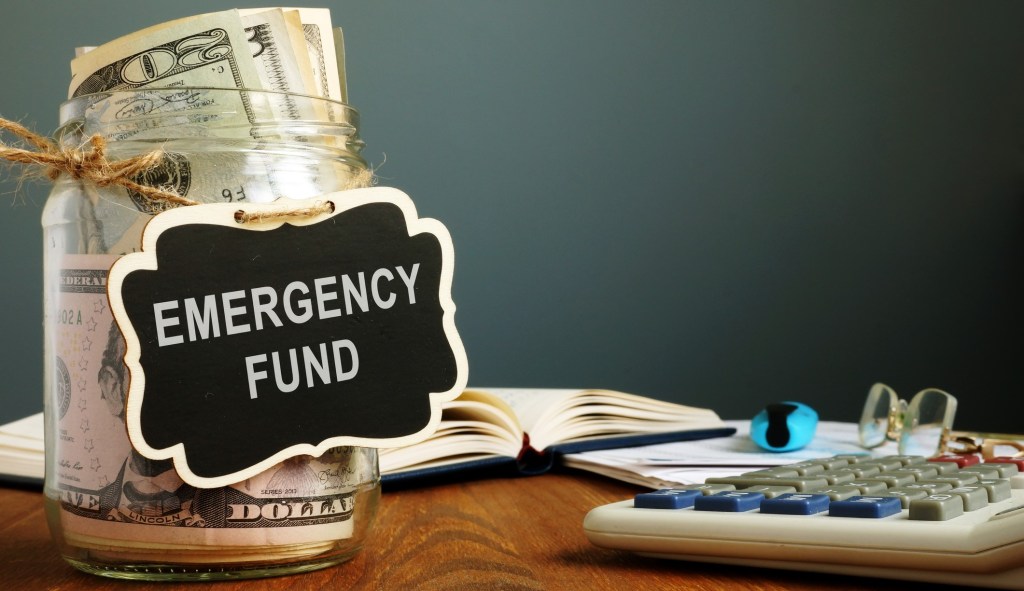
We put a pretty large sum of money into one special account within our monthly budgets. We designate the money in this account to be used for unanticipated expenses, unexpected repairs, and the like. We know unexpected things can be expected to happen. Since we plan for it, we don’t have to raid our assets or borrow money to handle the unexpected. We don’t even think of an unexpected event as an emergency, or crisis. But we call our account what most people call it, an emergency account.
Of course, things don’t always go exactly according to plan. For example, sometimes a big project we budgeted for proves to be more costly than anticipated. When this happens, we don’t overspend, let the bills pile up, stop our investing or charitable giving, or drive the budget into the ditch. Instead we don’t do the project, or we don’t do another project we’d planned for. Maybe we do the project over two years instead of one. This is called knowing and dealing with priorities. Sometimes this is really hard because competing priorities are usually important. But we let reason, not our emotions, drive our decisions.
In the end, none of this is very hard because we know the importance of balancing our budget. We can’t create money at the touch of a button. We can’t take money from other people. Instead we plan, we budget, and we spend within our means. We minimize debt and do the things we value economically and efficiently. We’ve become wealthy—without harming anyone in the process.
Politicians—you can budget responsibly too! And you can do it without drama, posturing, and confusion. No interventions, counseling, or therapy are required. Just use the methods described here and you’ll never have spending problems or run a deficit again. Your budget can, your budget should, and your budget will balance every year.


 SaltwaterTea